

Advertisement
Advertisement
Even if you clean your kitchen regularly, some of the dirtiest spots may not be the ones you expect. Counters wiped, sink scrubbed, floors mopped—yet hidden germs thrive in places we touch constantly and tools we assume are “safe enough.” Surprisingly, research shows that several common kitchen items can harbor more bacteria than a toilet seat, making hygiene awareness in the kitchen just as important as in the bathroom.
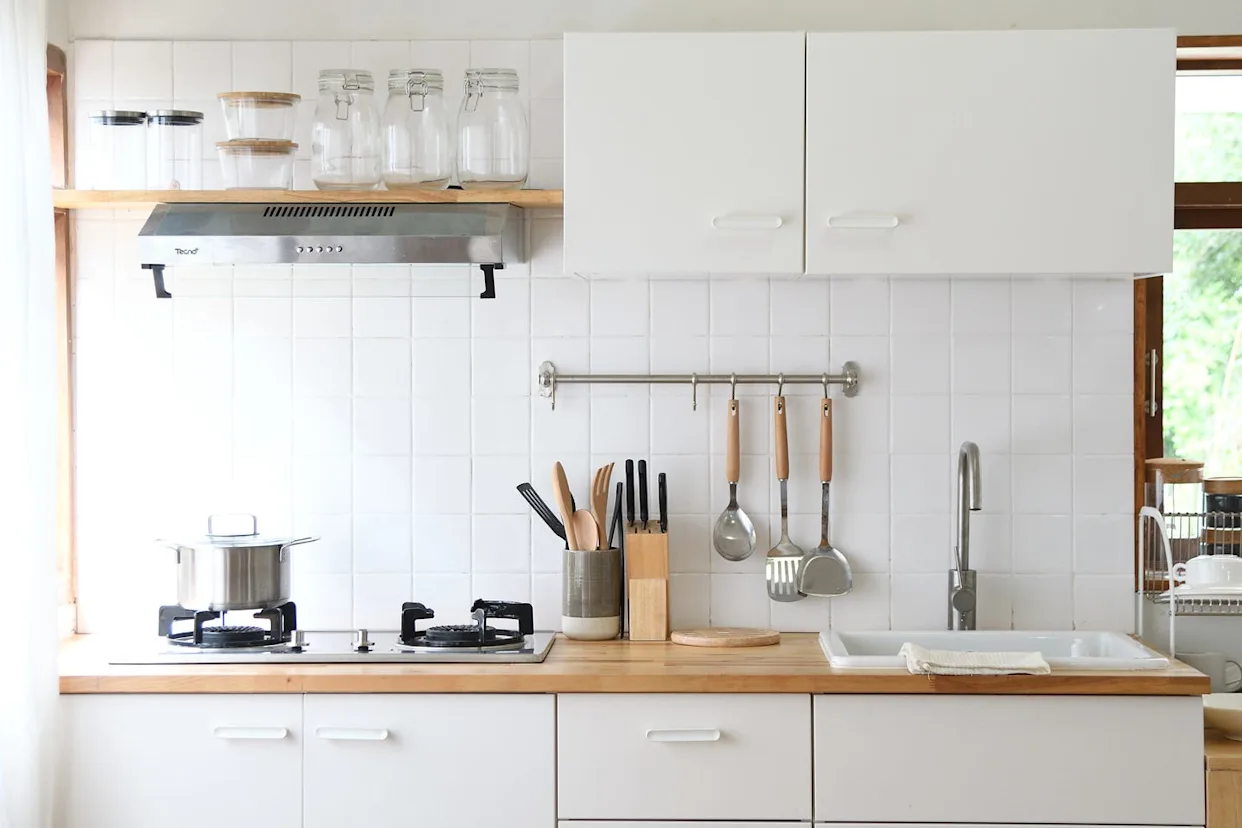
We spoke with a home cleaning analyst to identify the top culprits and practical tips for keeping them under control.
1. Sponges Sponges are a prime hiding place for bacteria. They stay damp, trap food particles, and are used repeatedly, creating ideal conditions for microbes. Replace sponges every one to two weeks, and sanitize them if you’re using them daily. Even when cleaned, old sponges can develop odors and carry germs.
2. Dish Towels Used for drying dishes, wiping counters, or handling hot pans, dish towels can quickly absorb moisture and bacteria. To limit contamination, wash towels frequently and allow them to dry completely between uses. Towels used on dirty surfaces should be laundered immediately.
3. Cutting Boards Even if washed after each use, knife grooves on cutting boards can trap bacteria, particularly from raw meat. Hardwood boards resist deep grooves naturally, while plastic or composite boards benefit from regular dishwasher sanitizing cycles. Replace boards with deep cuts to avoid hidden germs.
4. Refrigerator Handles Handles are touched constantly, often with hands that haven’t been washed mid-cooking. Regularly wiping them with disinfectant can prevent bacteria transfer, even in a tidy kitchen.
5. Sink and Drain Moist, food-splattered sinks are natural breeding grounds for bacteria. Regular scrubbing with hot, soapy water and occasional sanitizing—focusing on drains and rubber seals—helps reduce contamination.
6. Reusable Grocery Bags These bags often carry raw meat, produce, and packaged foods but are rarely cleaned between trips. Wash fabric bags in a machine and wipe down insulated or plastic ones with disinfectant to prevent germs from spreading to groceries and kitchen surfaces.
7. Salt and Pepper Shakers Frequently handled during cooking, these shakers can accumulate bacteria from wet or oily hands. Wipe them down regularly and consider washing your hands before and after handling them.
8. Blender Gaskets and Lids Moisture and food particles trapped in blender gaskets and lids can quickly become a bacteria hotspot. Fully disassemble your blender after each use, wash the components with hot, soapy water, and let them dry completely before reassembling.
Even with a diligent cleaning routine, these hidden hotspots serve as a reminder: germs thrive in unexpected places. Paying attention to these everyday items and cleaning them properly can make your kitchen safer, fresher, and more hygienic for your family.
Advertisement
Advertisement


Advertisement
Advertisement


 Recommend


