

Advertisement
Advertisement
As regional tensions persist and economic strain deepens, many Iranians say the most immediate battle they face is at the checkout counter. Prices in neighborhood shops are climbing at a pace that leaves households scrambling to keep up, while the national currency continues to lose value against the dollar.
Shoppers have begun sharing photos of half-filled grocery carts on social media, describing how difficult it has become to afford basic staples. “Everyone is under pressure — merchants, office workers, laborers,” said a 52-year-old public employee in Tehran. “Lower-income families are being squeezed the hardest.”
Years of international sanctions and structural economic weaknesses have weighed heavily on the country. Although there was a period of relative relief following the 2015 nuclear agreement, renewed economic restrictions in subsequent years — particularly targeting financial channels and energy exports — intensified the strain. This week, additional sanctions were announced against dozens of individuals and companies accused of involvement in missile and drone development and unauthorized oil trade, adding to market anxiety.
Currency Collapse Accelerates Inflation Fears
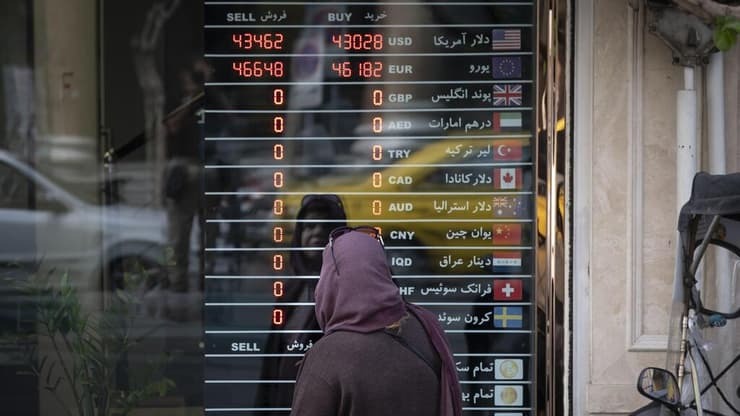
The economic pressure has sharply weakened the Iranian rial. In 2015, when the nuclear agreement was signed, the exchange rate hovered around 32,000 rials to the dollar. By the end of last December, it had fallen to roughly 1.3 million per dollar. This week it slid further to around 1.65 million rials per dollar, marking a new low. Analysts attribute the decline to both sanctions pressure and growing fears of possible military escalation.
Economists warn that a weaker currency risks fueling a cycle of higher import costs, accelerating inflation and eroding purchasing power. The country is already grappling with elevated youth unemployment and sluggish growth. Official figures put overall unemployment at about 7.8% in October, up from 7.2% a year earlier, with youth joblessness reaching close to 20%. Nearly 24 million Iranians fall between the ages of 15 and 34, underscoring the scale of the challenge.
Household Budgets Under Strain
For many families, the impact is immediate and visible in food prices. A Tehran resident earning about 700 million rials per month — roughly $540 at current rates — said the price of one kilogram of red meat rose from 13 million rials to 22 million rials within a single month. Milk nearly doubled over the same period, while pasta prices jumped by more than 60%.
A 44-year-old taxi driver explained that he and his wife together earn about 600 million rials per month, or around $460. “Those with fixed incomes feel every increase,” he said.
Shoppers describe adapting in small but telling ways: checking daily price updates on messaging apps, shopping late at night when perishable goods are discounted, or buying in bulk despite high upfront costs. Beans, rice, bread and canned foods are being stockpiled by some households seeking a buffer against uncertainty.
Retailers report increased demand for emergency supplies such as flashlights, portable gas stoves and even tape to secure windows — items linked to fears of potential escalation. “People want to be prepared,” said a hardware shop owner in central Iran who requested anonymity.
Appliances such as washing machines and refrigerators have also surged in price, in some cases doubling, as import costs rise and supply chains tighten.
A Fragile Outlook
An economist writing in the independent daily Dona e Eghtesad noted that uncertainty in the market and higher raw material costs are pushing prices upward. The country, he argued, is facing the dual challenge of inflation and stagnation — a combination that can inflict long-term damage on household wealth.
In response, the government began distributing monthly payments of 10 million rials in January to roughly 70 million people — about three-quarters of the population — to help offset food expenses. Officials have indicated that support could be increased if prices continue to rise.
Yet many citizens remain skeptical that relief will be enough to counteract the broader forces at play. Conversations about economic hardship and regional tensions now dominate daily life, residents say — whether in markets, taxis or bakeries.
“The uncertainty is exhausting,” one resident remarked. “This in-between state feels heavier than anything else.”
With the currency under pressure and prices climbing week after week, families across Iran are recalculating what their income can realistically cover — and how long they can sustain the adjustments.
Advertisement
Advertisement


Advertisement
Advertisement


 Recommend


